Te Poutama o te Ora

Articles on Te Poutama o te Ora, a nine-dimensional Māori wellness framework, including the Maramataka, whakapapa, colonisation and healing.

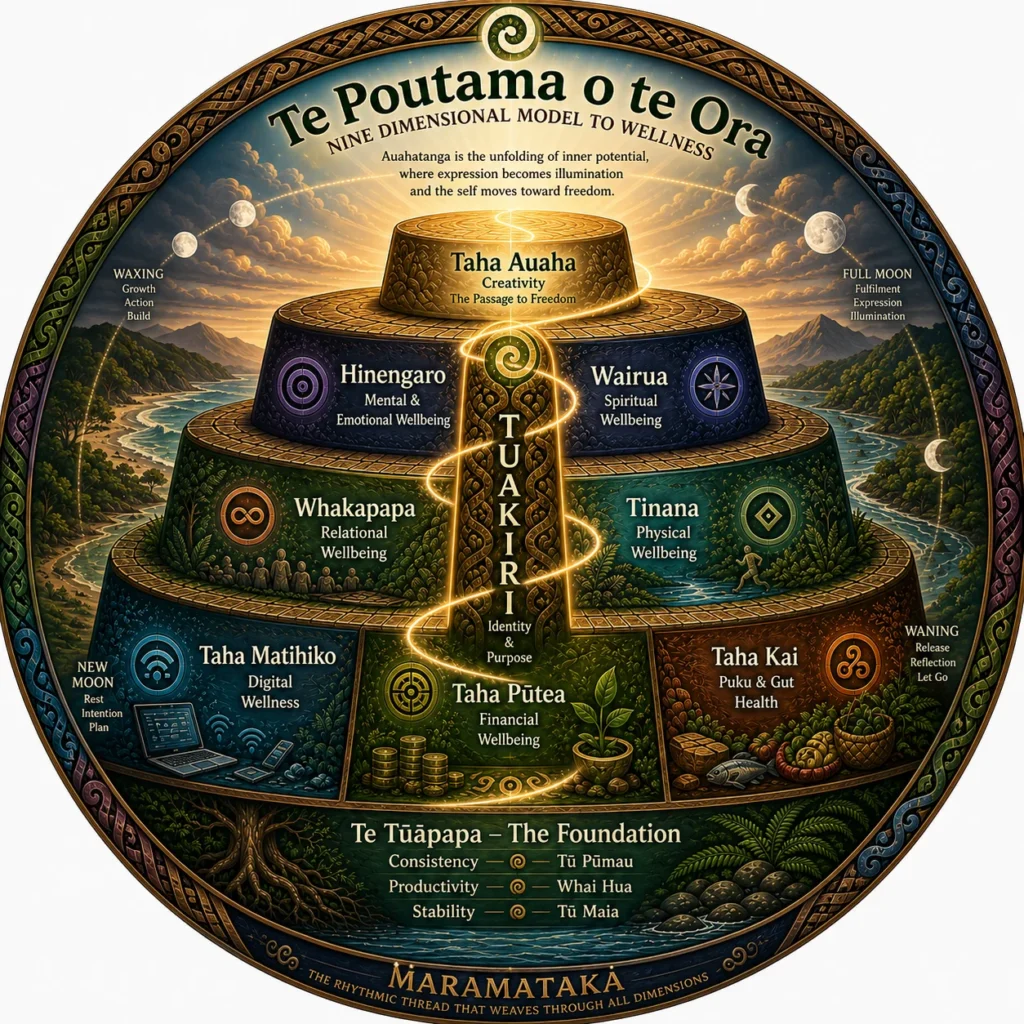
Te Poutama o te Ora nine-dimensional wellbeing model with the Maramataka
Guidance Counselling, Te Poutama o te Ora

Te Maramataka — The Temporal Spine of Te Poutama o te Ora – Living by the Moon

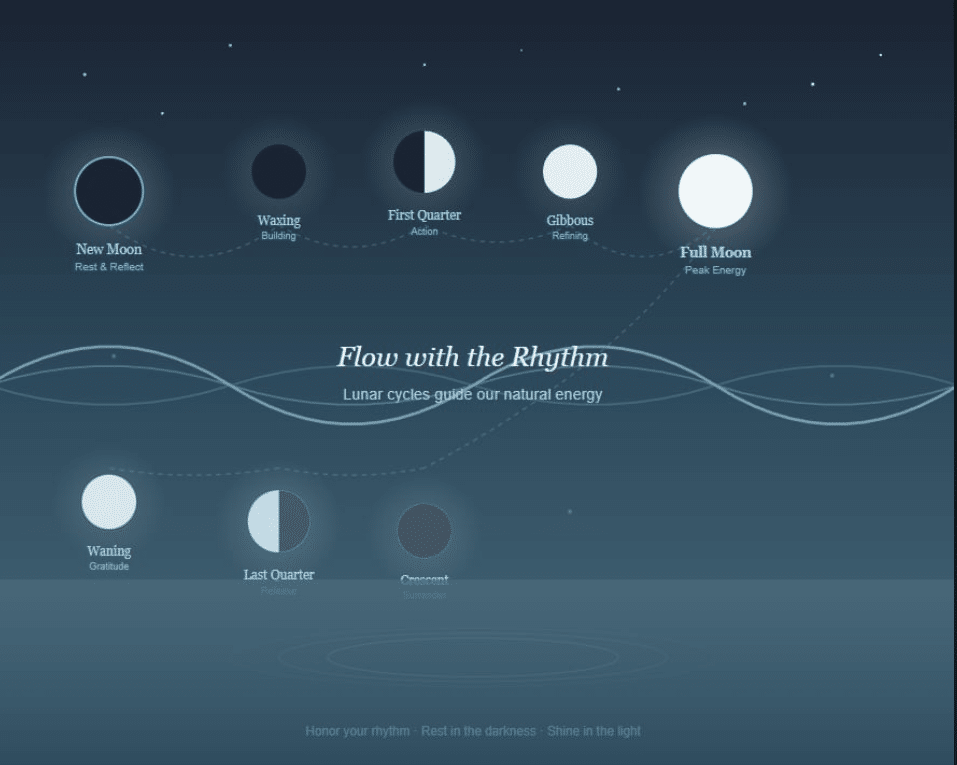
How the Maramataka — the Māori lunar calendar — gives Te Poutama o te Ora its heartbeat

Before clocks. Before timetables. Before the five-day work week carved up our lives into uniform chunks, there was the moon.

For Māori, the moon was not simply a light in the sky. It was a teacher, a calendar, a health guide, and a spiritual companion. The system built around its cycles is called the Maramataka, and it has guided people in Aotearoa for centuries — telling them when to plant, when to fish, when to gather and celebrate, and when to rest.

Today, the Maramataka is looked to for that guidance again. In developing Te Poutama o te Ora, consideration is being given to its role within that wellness framework. The Maramataka does not sit alongside the work as an add-on. Instead, it weaves within the whole model, like a heartbeat beneath skin. It is what we call the temporal spine: the living rhythm that gives the framework its movement across time.

The Maramataka does not ask us to do more. It asks us to do the right thing at the right time.

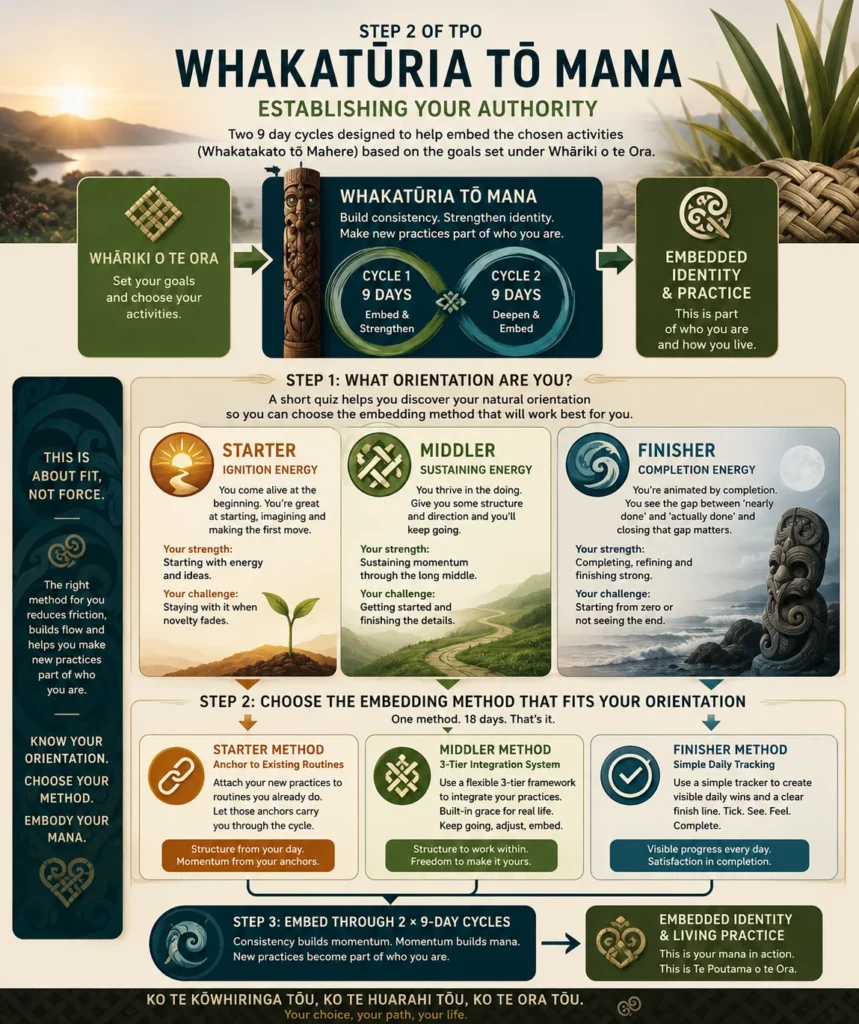
Whakatūria tō Mana infographic: starter, middler or finisher orientation
Guidance Counselling, Te Poutama o te Ora

Building Kaha • Steps 1–3 – Are You a Starter, Middler, or Finisher?

Find Out Before You Choose Your 18-Day Practice

Mōrena e hoa mā. Let me ask you something before we get into the 18-day practice plan.

Have you ever started a wellness habit full of energy — and then quietly abandoned it around Day 5 or 6, not because you didn’t care, but because something about the approach just didn’t fit how you work?

If that sounds familiar, this is the post for you.

Illustration of a woman caught between two worlds: The Brown Pākehā
Guidance Counselling, Te Poutama o te Ora

Not Māori Enough. Not Pākehā Enough – The Brown Pākehā

The Double Exile, and Why You’re Not Broken — You’re Colonised

I want to tell you about a particular kind of loneliness. The loneliness of being surrounded by people in two different worlds and belonging fully to neither of them.

For a long time, I thought this was my personal failure. A character flaw. Some essential inadequacy in me meant I would always be slightly too much in one direction and not enough in another.

It took me a long time — and a forced stop, courtesy of a redundancy I didn’t choose — to understand that this experience had a name, and that name is not failure. It is the double exile. It was done to me, and to many of us, by a system that has never fully reckoned with what it took.

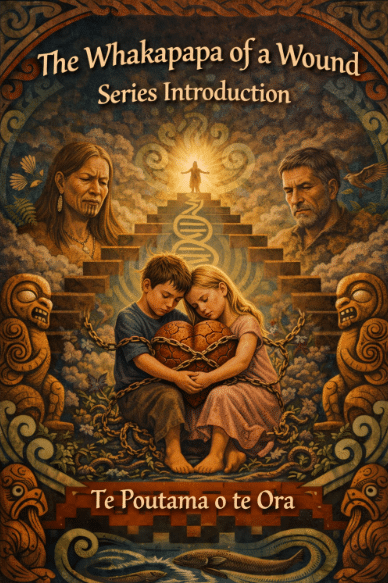
Te Poutama o te Ora illustration: The Whakapapa of a Wound
Guidance Counselling, Te Poutama o te Ora

The Whakapapa of a Wound – Series Introduction – The Wound that Carries

Humble Beginnings:

Matapihi Kirihou – The founding backstory of Te Poutama o te Ora

The plastic windows were never just plastic.

They covered what glass couldn’t be afforded. They let in light, but not clearly. And they were the beginning of a backstory that travels forward — into bodies, into relationships, into the homes our children grow up in, and sometimes into the arms of experiences, others and systems that step in when those homes become unsafe.

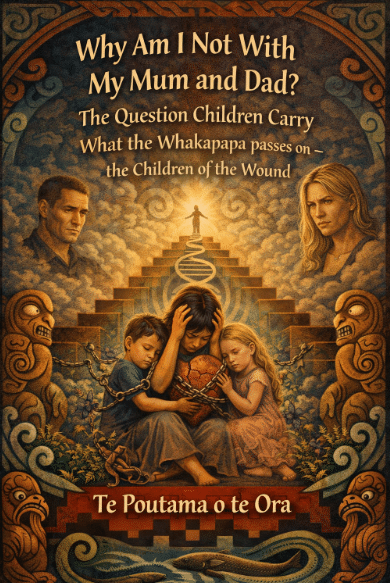
Te Poutama o te Ora illustration: Why Am I Not With My Mum and Dad?
Guidance Counselling, Te Poutama o te Ora

Why Am I Not With My Mum and Dad – The Question Children Carry What the Whakapapa passes on – the Children of the Wound

The continuing story of Mere

Children of the Wound

This is the fourth piece in The Whakapapa of a Wound. We have followed Mere from the washing basket, through the biology of her childhood, into the relationships that replicated what she first learned about love. Now we turn toward the children.

Toward the question that is the most tender of all: Why am I not with my Mum and Dad?

Te Poutama o te Ora illustration: I Keep Choosing the Same Person with a Different Face
Guidance Counselling, Te Poutama o te Ora

I Keep Choosing the Same Person with a Different Face – Trauma Bonding

The continuing story of Mere

She is in her forties now.

She left the first one after seven years.

She told herself she had finally chosen better. New city, new beginning, new person. She believed it completely.

The second one looked nothing like the first. Different face, different voice, different reasons she fell. It took four years before she realised she was standing in the same room with different wallpaper.

By the third time, she stopped telling people. Because how do you explain that you are not stupid, not weak, not choosing this — and yet here you are again?

Scroll to Top